
The lesson is moving along, but a few students are staring at the page while others are already finished. That moment is useful information, not a reason to abandon the plan. I like to build a short pause into a lesson so students can make their thinking visible—and so I can choose the next step with more care.
Plan a pause with purpose
Before class, mark one point where you can stop for two or three minutes without breaking the lesson’s flow. Ask one focused question: What pattern do you notice? Which part needs another example? What would you explain to a partner? The question should point toward the thinking you hope to see, whether students are reading a scene, testing a science idea, or working through a math problem.
A small note in your lesson plan is enough: pause, prompt, look for. Beside the prompt, jot down one or two signs of understanding you might notice. This keeps the check connected to the lesson instead of turning it into another task students have to complete.
Let students show their thinking
Give students a low-pressure way to respond. They might add a sentence to the page, sketch a model, mark a passage, or rehearse an explanation with a partner. In a younger classroom, a quick drawing and a few spoken words may tell you more than a written paragraph; older students may be ready to name the evidence behind an answer.
Look for patterns across responses rather than treating one answer as a verdict. If several students share the same misconception, return to that part with a new example. If the responses vary, offer a choice: a brief reteach with you or a next-step challenge with a partner.
Keep the plan flexible
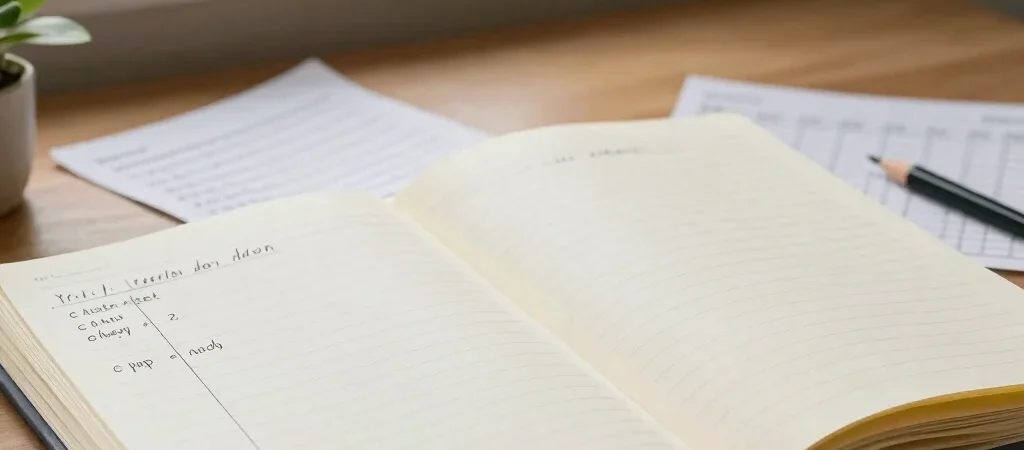
After the lesson, take a minute to record what the pause revealed. A three-column note—prompt, what I noticed, what I’ll try next—can become a practical record of your teaching decisions. Use a notebook, a planning document, or a small slip tucked into your lesson materials.
The goal is not to fit more checks into the day. It is to make one thoughtful pause count. Adapt the prompt and response format to your students, then leave a little room in the plan to act on what they show you.